
Guest leadership blog: Training To Win: building resilient teams with sports psychology
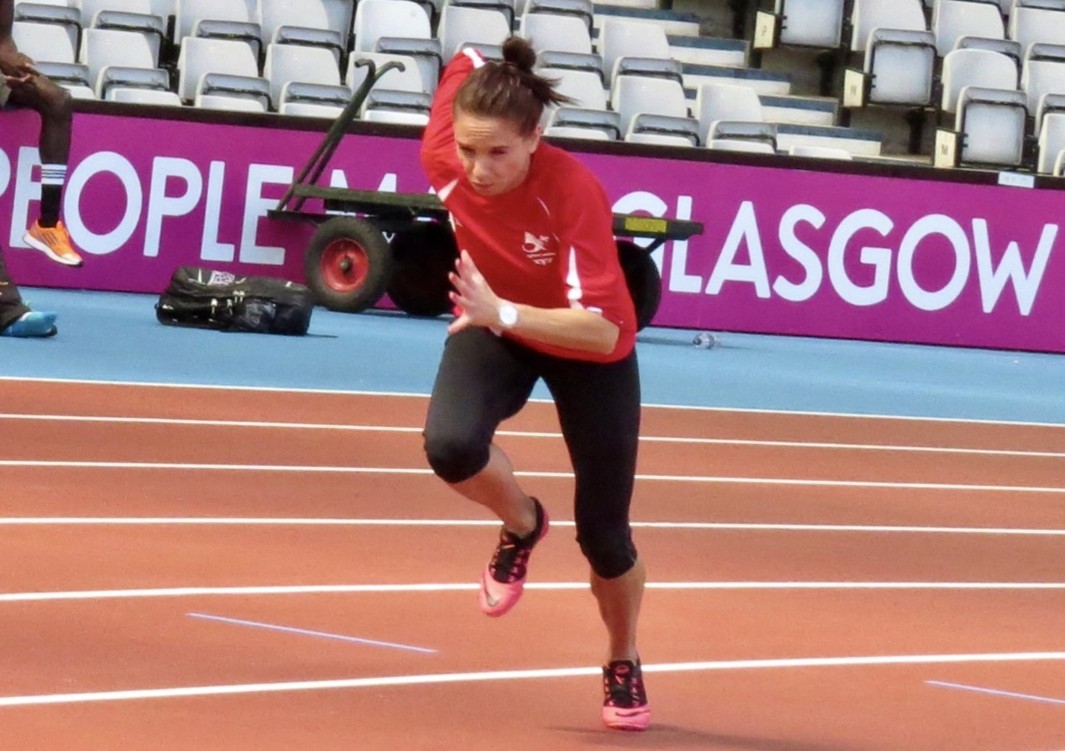
Earlier this year, we introduced Lucy Evans, a former international track athlete, performance, and mindset specialist, as part of our leadership community.
With a career that saw her compete at the Commonwealth Games, World Masters Championships, and Grand Prix events, Lucy brings the mindset of elite sport into the world of business and leadership.
Now, in her second blog for Hack Yourself, Lucy builds on her first reflections by exploring resilience: the essential quality that enables teams to adapt, recover, and sustain peak performance in the face of constant change.

1. Resilience on the sports field…and in the workplace
Resilience is the ability to withstand adversity, recover quickly from setbacks, and continue performing at a high level. On the track, I used sports psychology techniques to build a resilience toolkit which enabled me to bounce back after defeat, stay composed under intense pressure, and push through training when things got tough.
At first glance they may seem worlds apart, yet elite sport and business are united by some powerful parallels:
Pressure and competition: Athletes face rivals in the stadium whilst businesses face competitors in the marketplace.
Performance demands: Both athletes and professionals are expected to deliver peak performance, consistently.
Adversity and setbacks: Injuries or losses in sport parallel failed launches, sales downturns, or crises in business.
In the workplace it enables teams to adapt to change, learn from project failures, and sustain performance in the face of constant uncertainty, meaning that resilience isn’t optional; it’s essential.
Top Tip: Think about your own “resilience toolkit.” What conditions, routines, and support systems help you perform at your best every day?
2. Principles of Sports Psychology – building your resilience toolkit
As an athlete, I prepared for adversity by working closely with a sports psychologist to build a resilience toolkit. These practices not only increased my mental toughness but also enhanced my ability to perform under pressure. Perhaps most importantly, they reignited my enjoyment of the sport, turning resilience into both a performance edge and a source of positivity.
Mental toughness: Using specific focus techniques to stay composed under pressure, by controlling the controllables.
Goal setting and motivation: Using short-term goals to work towards long-term achievements, whilst tapping into emotion for continued drive.
Visualisation: Mentally rehearsing challenges to reduce anxiety and boost confidence.
Self-talk: Reframing negative thoughts into constructive ones.
Team cohesion: Building trust, communication, and shared purpose with my team of coaches, physiotherapists, family, and sponsors.
Positive analysis only: Focusing on what went well and where to improve, rather than dwelling on criticism.
Recovery routine: Implementing structured physical and mental recovery practices to stay fresh and ready for the next challenge.
The same principles apply in business: mindset, preparation, and recovery are the foundations of long-term success.
Top Tip: Try incorporating one of these techniques into your daily routine. For example, start each morning with a short visualisation of a successful day.

3. Translating sports psychology into business practice
Whilst the techniques above are hugely beneficial on the running track, it’s useful to consider how these lessons from sport can be directly applied to the workplace. As a leader, you are ultimately a coach and mentor, with the power to adapt these principles into actionable strategies for your team. Examples include:
Resilience training workshops: Simulate high-pressure scenarios to establish multiple possible outcomes and teach strong coping mechanisms.
Performance febriefs: Conduct post-project reviews like a post-race analysis - focusing on what went well, where to improve and the lessons learned.
Mental skills coaching: Integrate mindfulness, focus sessions, and emotional regulation into team development. If possible, create space within the workplace environment to support these techniques.
Peer support systems: Encourage mentorship and colleague partnerships (“buddying”), to mirror strong sports support teams.
These practices can transform resilience from an abstract concept into a daily discipline.
Top Tip: Treat every project like a “race” or a “match”. Debrief afterwards, celebrate what went well, establish a playbook and identify what can be improved next time.
4. Measuring and sustaining resilience
Like any skill, resilience needs to be measured and nurtured continuously. Tools such as pulse surveys, psychological safety assessments, and direct feedback can provide valuable insights. Just as athletes train to refine running techniques or lift weights to sustain strength, sustaining resilience requires ongoing practice, regular feedback, and leaders who model resilience themselves.
Engagement: Are employees motivated despite challenges?
Adaptability: How quickly can teams pivot when circumstances change?
Recovery Time: How fast do teams bounce back after setbacks?
Retention: Are resilient cultures reducing burnout and turnover?
Top Tip: Make resilience part of your team’s “training plan.” Schedule regular check-ins to assess wellbeing, adaptability, and confidence.
5. Conclusion: Training for triumph
Resilience isn’t innate, it’s trainable. Just as athletes build mental toughness through deliberate practice, business leaders can cultivate resilience in their teams through intentional strategies. By thinking like coaches and investing in mental fitness, leaders can prepare their organisations not just to survive uncertainty, but to thrive in it.
Start building your team’s mental edge today... because triumph begins with training.
